
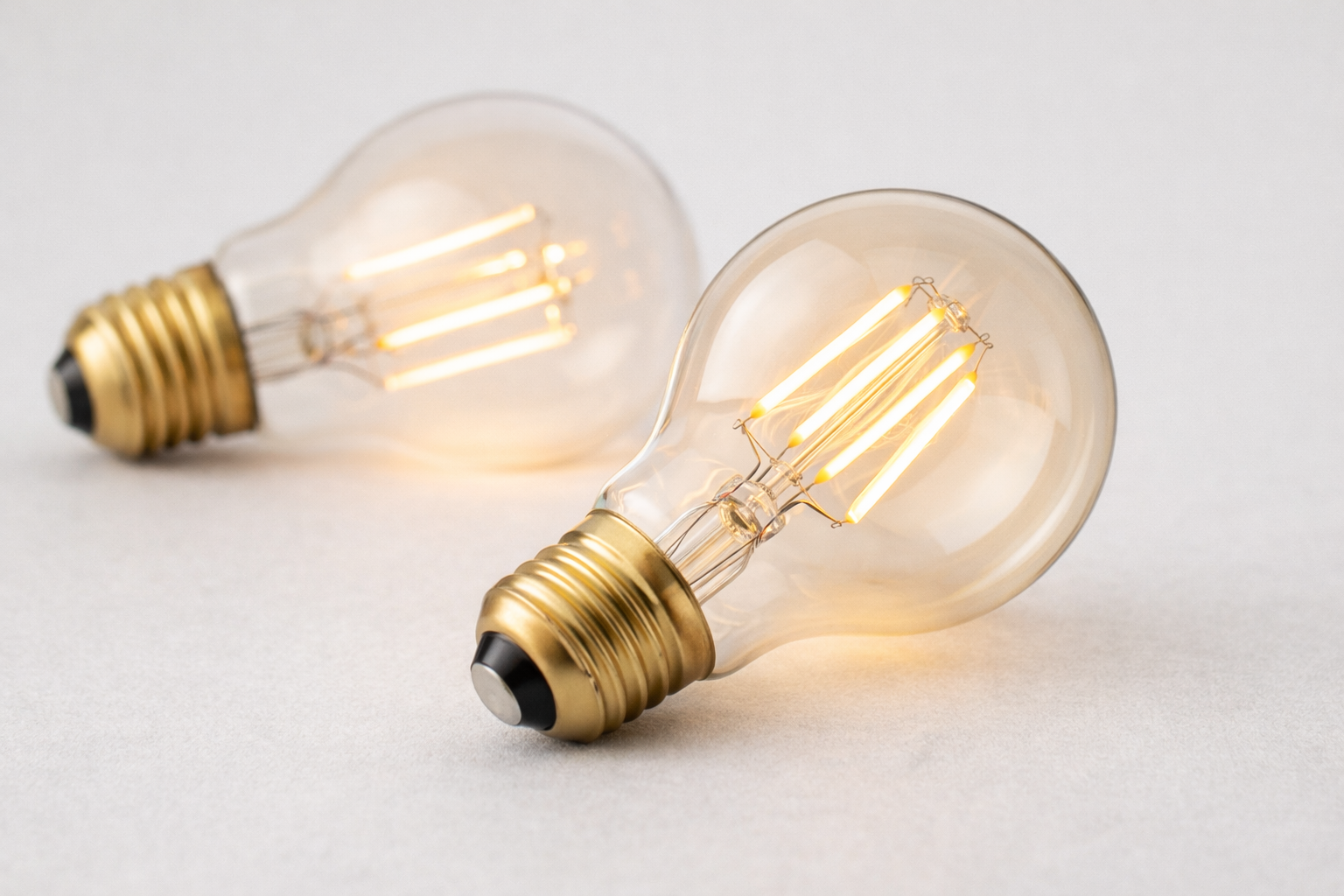
When it comes to lighting your home or office, understanding the type of light bulb you’re using is crucial. You’re likely to come across E26 base bulbs or e26 light bulbs, but what exactly are they?
An E26 bulb refers to a type of light bulb that uses a specific base size, which is widely adopted in the United States. The “E26” designation indicates that the bulb has a medium screw base, making it compatible with a wide range of lighting fixtures.

Using the right e26 bulbs ensures that your lighting is not only functional but also safe and efficient. As we explore further, you’ll discover the various aspects of E26 bulbs, including their applications, benefits, and how to choose the right one for your needs.
Key Takeaways
- Understanding E26 bulbs is essential for choosing the right lighting for your home or office.
- E26 bulbs have a medium screw base, making them compatible with a wide range of fixtures.
- Using the correct e26 base bulbs ensures safe and efficient lighting.
- E26 light bulbs are widely used in the United States.
- Choosing the right e26 bulbs depends on several factors, including application and personal preference.
Understanding E26 Bulbs and Their Significance
Understanding the E26 bulbs is crucial for making informed decisions about your lighting needs. The E26 bulb is a type of light bulb that has become a standard in many lighting fixtures.
Definition and Naming Convention
The term “E26” refers to the type of base the bulb has. The “E” stands for Edison, named after Thomas Edison, and the number “26” represents the diameter of the base in millimeters. This naming convention is a standard way to identify the type of bulb and its compatibility with various lighting fixtures.
History and Development
The E26 bulbs has a rich history, dating back to the early days of electric lighting. Over the years, it has evolved to become a versatile and widely used lighting solution. The development of new technologies, such as LED, has further enhanced the E26 bulb’s efficiency and performance, making it a popular choice for both residential and commercial applications.
You can find E26 LED bulbs in various sizes and specifications, catering to different lighting needs. The E26 bulb’s significance lies in its widespread adoption and compatibility with a range of lighting fixtures.
The Anatomy of E26 Bulbs: Base Structure and Components
To comprehend the versatility of E26 bulbs, it’s essential to examine their base structure and internal components. The E26 bulbs is widely used in various lighting fixtures, and its design contributes significantly to its compatibility and performance.
Base Structure and Dimensions
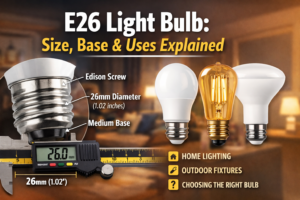
The E26 bulb base is a medium screw base, measuring approximately 26 millimeters in diameter. This standardization ensures that E26 bulbs can be used in a wide range of socket types, making them highly versatile. The E26 bulbs socket is designed to securely hold the bulb in place, providing a stable connection.
The dimensions of the E26 base are critical for ensuring compatibility with various lighting fixtures. The base is designed to fit snugly into the socket, providing a secure connection that is essential for safe and efficient operation.
Internal Components
The internal components of an E26 bulbs include the filament or LED array, support wires, and the glass bulb itself. In incandescent bulbs, the filament is typically made of tungsten and is suspended within the bulb. For LED bulbs, the LED array is mounted on a circuit board, and the entire assembly is housed within the bulb.
The internal components are crucial for the bulb’s performance, including its brightness, color temperature, and lifespan. Understanding these components can help you make informed decisions when selecting E26 bulbs for your needs.
E26 Bulb Sizes and Specifications
Understanding the sizes and specifications of E26 bulbs is crucial for ensuring compatibility with your lighting fixtures. When selecting an E26 bulbs, it’s not just about the base type; the bulb’s dimensions and specifications play a significant role in determining its fit and performance.
Standard Dimensions Explained
E26 bulbs have standardized dimensions to fit most lighting fixtures. The “E26” designation refers to the bulb’s base, which is approximately 26 millimeters in diameter. However, the overall size of the bulb, including its height and shape, can vary significantly. Standard E26 bulbs are designed to be compact enough to fit into a variety of fixtures, from table lamps to ceiling fixtures.
The shape and size of E26 bulbs can affect their compatibility and performance. For instance, bulbs with a larger glass envelope may not fit into enclosed fixtures, while those with a smaller profile might be more versatile.
Compatibility Considerations
When choosing an E26 bulbs, it’s essential to consider the compatibility with your existing fixtures. Check the fixture’s specifications to ensure it can accommodate the bulb’s size and wattage. Additionally, consider the type of lighting you need: dimmable, color-changing, or smart bulbs may have specific requirements.
To ensure seamless operation, verify that the E26 bulbs you choose is compatible with your fixture’s voltage and dimming capabilities, if applicable. This attention to detail will help you achieve the desired lighting effect and prolong the bulb’s lifespan.
E26 vs. Other Common Bulb Bases
Understanding the differences between E26 and other bulb bases is crucial for making informed lighting decisions. As you navigate the world of lighting, you’ll encounter various bulb bases, each with its unique characteristics.
E26 vs. E27 Comparison
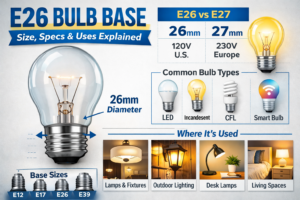
The E26 and E27 bases are often confused with one another due to their similarities. However, they are not entirely interchangeable. The E26 base is a standard in the United States, with a diameter of 26 millimeters, while the E27 base, common in Europe, has a diameter of 27 millimeters. Although they appear similar, using an E27 bulb in an E26 socket may not be secure, and vice versa.
E26 vs. Smaller Bases (E12, E17)
E26 bulbs are significantly larger than E12 and E17 bulbs. The E12 base has a diameter of 12 millimeters, and the E17 has a diameter of 17 millimeters. These smaller bases are used in applications where space is limited, such as in decorative lighting or appliances. In contrast, E26 bulbs are used in a wide range of lighting fixtures, from table lamps to ceiling fixtures.
E26 vs. Larger Bases (E39, E40)
On the other end of the spectrum are the E39 and E40 bases, which are larger than the E26. The E39 base has a diameter of 39 millimeters, and the E40 has a diameter of 40 millimeters. These larger bases are typically used in high-wattage applications, such as outdoor floodlights or high-intensity lamps. While E26 bulbs are suitable for most household lighting needs, E39 and E40 bulbs are used in situations requiring more substantial lighting.
| Bulb Base | Diameter (mm) | Common Use |
|---|---|---|
| E12 | 12 | Decorative lighting, appliances |
| E17 | 17 | Small lamps, specialty lighting |
| E26 | 26 | General lighting (table lamps, ceiling fixtures) |
| E27 | 27 | General lighting (European standard) |
| E39 | 39 | High-wattage applications (outdoor floodlights) |
| E40 | 40 | High-intensity lamps |
Types of E26 Bulbs Available in the Market
The E26 bulbs market offers a diverse range of lighting solutions, catering to different needs and preferences. Whether you’re looking for energy efficiency, longevity, or specific lighting effects, there’s an E26 bulbs type that suits your requirements.
Incandescent E26 Bulbs
Incandescent E26 bulbs are traditional lighting solutions that work by heating a filament until it glows. They are inexpensive upfront but have a shorter lifespan and are less energy-efficient compared to other options.
You can still find incandescent E26 bulbs in many homes, but their popularity has decreased due to the availability of more efficient alternatives.
Halogen E26 Bulbs
Halogen E26 bulbs are an improvement over incandescent bulbs, offering a slightly longer lifespan and better energy efficiency. They contain a halogen gas that extends the life of the filament.
These bulbs are known for their bright, white light, making them suitable for task lighting and outdoor use.
CFL E26 Bulbs
CFL (Compact Fluorescent Lamp) E26 bulbs are a more energy-efficient option compared to incandescent and halogen bulbs. They use significantly less energy and last longer.
However, CFLs contain a small amount of mercury, which requires proper disposal. They are also known to have a warm-up period before reaching full brightness.
LED E26 Bulbs
LED (Light Emitting Diode) E26 bulbs are the most energy-efficient and longest-lasting option among the four. They use semiconductors to produce light, resulting in minimal heat output.
LED E26 bulbs are available in various color temperatures and are dimmable, making them highly versatile for different lighting needs.
Here’s a comparison of the different E26 bulbs types:
| Type | Energy Efficiency | Lifespan | Dimming Capability |
|---|---|---|---|
| Incandescent | Low | Short (1,000 – 2,000 hours) | Yes |
| Halogen | Moderate | Medium (2,000 – 4,000 hours) | Yes |
| CFL | High | Long (8,000 – 10,000 hours) | Limited |
| LED | Very High | Very Long (15,000 – 50,000 hours) | Yes |
E26 LED Bulbs: Energy Efficiency and Performance
Switching to E26 LED bulbs can significantly reduce your energy consumption and enhance your home’s lighting efficiency. As you consider upgrading your lighting, it’s essential to understand the benefits and features of E26 LED bulbs.

Energy Savings Compared to Traditional Bulbs
E26 LED bulbs are designed to be highly energy-efficient, using significantly less power than traditional incandescent bulbs. According to the U.S. Department of Energy, LED bulbs use up to 90% less energy than incandescent bulbs. This not only reduces your energy bills but also minimizes your environmental footprint.
| Bulb Type | Energy Consumption (Watts) | Lifespan (Hours) |
|---|---|---|
| Incandescent | 60 | 1,000 |
| LED | 9 | 25,000 |
Lifespan and Durability
One of the standout features of E26 LED bulbs is their longevity. With an average lifespan of 25,000 hours or more, they outlast incandescent bulbs by a significant margin. This durability means fewer replacements, reducing maintenance costs and hassle.
“LED bulbs are not just energy-efficient; they’re also incredibly durable, making them a smart choice for both residential and commercial lighting applications.” –
Energy Star
Color Temperature Options
E26 LED bulbs are available in a range of color temperatures, from warm white (2700K-3000K) to cool white (3500K-5000K) and daylight (5000K-6500K). This variety allows you to choose the perfect lighting to suit your needs, whether it’s for reading, ambiance, or task-oriented lighting.
By selecting the right E26 LED bulb, you can enhance your home’s lighting while benefiting from energy efficiency and long-term cost savings.
E26 Vintage and Edison Bulbs for Decorative Lighting
Decorative lighting has taken a significant turn with the resurgence of E26 vintage bulbs, combining aesthetic appeal with functionality. You are now able to choose from a variety of designs that not only illuminate your space but also add to its decor.
Aesthetic Appeal and Design Options
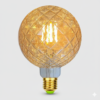
E26 vintage and Edison bulbs offer a unique aesthetic that can enhance the ambiance of any room. These bulbs come in various shapes, sizes, and filament styles, allowing you to select the perfect fit for your decorative fixtures. The exposed filaments in Edison bulbs, for instance, create a warm, nostalgic glow that is perfect for creating a cozy atmosphere.
Modern Vintage: LED Filament Technology
The advent of LED filament technology has revolutionized the world of vintage bulbs. LED E26 bulbs now mimic the look of traditional incandescent bulbs while offering the benefits of energy efficiency and a longer lifespan. This technology allows you to enjoy the vintage look without compromising on performance.
With LED filament bulbs, you can achieve the desired ambiance while being energy-conscious. These bulbs are available in various color temperatures, ensuring that you can find the perfect shade to complement your decor.
Smart E26 Bulbs and Connected Lighting Solutions
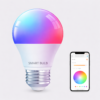
The integration of smart technology into E26 bulbs is transforming the way you experience lighting in your home. With the ability to control your lighting remotely, adjust brightness, and change colors, smart E26 bulbs offer a new level of convenience and flexibility.
Wi-Fi and Bluetooth Enabled Options
Smart E26 bulbs come with Wi-Fi and Bluetooth capabilities, allowing you to control them using your smartphone or tablet. You can adjust the lighting to suit your mood, schedule, or activity, all from the comfort of your favorite armchair.
Wi-Fi enabled bulbs offer greater flexibility, allowing control from anywhere in the world, while Bluetooth enabled bulbs provide a reliable, direct connection.
Voice Control Compatibility
Many smart E26 bulbs are compatible with popular voice assistants like Amazon Alexa and Google Assistant. This means you can control your lighting with simple voice commands, making it easier than ever to adjust your lighting to suit your needs.
Smart Home Integration
Smart E26 bulbs can be integrated into your existing smart home system, allowing for seamless control over all your connected devices. This integration enables you to create complex lighting scenes and routines, enhancing your home’s ambiance and functionality.
By incorporating smart E26 bulbs into your home, you can enjoy a more convenient, energy-efficient, and enjoyable living space.
E26 Bulb Socket Types and Compatibility
Understanding the compatibility of E26 bulbs with various socket types is crucial for ensuring safe and efficient lighting. The E26 bulb socket is a standard component in many lighting fixtures, and knowing how it works can help you make informed decisions when choosing lighting for your home or business.
Standard Socket Designs
The standard E26 socket is designed to accommodate bulbs with a medium base, which is 26 millimeters in diameter. These sockets are commonly found in table lamps, floor lamps, and ceiling fixtures. The E26 socket is designed to securely hold the bulb in place, ensuring a stable connection.

Adapters and Converters
In some cases, you may need to use an adapter or converter to fit an E26 bulb into a socket designed for a different base type. Adapters can help bridge the compatibility gap, allowing you to use E26 bulbs in fixtures that otherwise wouldn’t support them. However, it’s crucial to choose adapters that are safe and compatible with your lighting fixtures.
“Using the right adapter can make all the difference in ensuring your lighting works as intended,” says a lighting expert. “It’s not just about fitting the bulb; it’s about safety and performance.”
Common Fixtures Compatible with E26 Bulbs
The E26 bulb is a standard size that fits into numerous lighting fixtures, both indoors and outdoors. You can find E26 bulbs used in a wide range of applications, from household lamps to outdoor floodlights.
Indoor Lighting Applications
E26 bulbs are commonly used in table lamps, floor lamps, and ceiling fixtures. They’re also found in pendant lights and chandeliers, providing both functional and ambient lighting. When choosing an E26 bulbs for indoor use, consider the color temperature and brightness that suits your space.
- Table lamps and floor lamps for task lighting
- Ceiling fixtures for general illumination
- Pendant lights and chandeliers for decorative lighting
Outdoor and Specialty Uses
E26 bulbs are not limited to indoor use; they’re also suitable for outdoor lighting fixtures. You can use them in outdoor lamps, porch lights, and floodlights to illuminate your garden, patio, or driveway. Some E26 bulbs are specifically designed for outdoor use, with features like weather resistance and high lumens output.
When selecting E26 bulbs for outdoor applications, ensure they are rated for outdoor use and can withstand the elements.
Choosing the Right E26 Bulb for Your Needs
The right E26 bulbs for your space depends on several important considerations. When selecting an E26 bulbs, you need to think about the ambiance you want to create, the functionality required, and the specific features that matter to you.
Brightness Considerations
Brightness is a crucial factor, but it’s often misunderstood. Instead of focusing on watts, which measure energy consumption, look for lumens, which measure the actual light output. For example, a traditional 60W incandescent bulb is equivalent to an LED bulb with around 800 lumens. Choosing the right lumen output depends on the room’s purpose and size. For task-oriented areas like kitchens, higher lumens (around 4000-5000) are preferable, while softer lighting (around 200-400 lumens) is better suited for bedrooms.
Color Temperature Selection
Color temperature, measured in Kelvin (K), affects the ambiance of a room. Warm white light (2700K-3000K) creates a cozy atmosphere, ideal for living rooms and dining areas. Cool white light (3500K-5000K) is more energizing and suitable for task-oriented spaces like home offices or kitchens. Consider the color temperature that best suits the room’s function and your personal preference.
Special Features to Consider
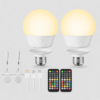
Some E26 bulbs come with special features that enhance their functionality. These include dimmability, smart home compatibility, and color-changing capabilities. If you’re looking to integrate your lighting with a smart home system, ensure the bulb you choose is compatible. Dimmable bulbs offer flexibility in adjusting light levels, while color-changing bulbs can adapt to different moods or occasions.
Conclusion
As you’ve explored the world of E26 bulbs, it’s clear that these versatile lighting solutions offer a wide range of benefits. From energy-efficient E26 LED bulbs to decorative vintage options, the choices available cater to diverse lighting needs and preferences.
When selecting the right E26 bulbs, consider factors such as brightness, color temperature, and compatibility with your fixtures. E26 LED bulbs, for instance, offer significant energy savings and a longer lifespan compared to traditional incandescent bulbs.
By understanding the different types of E26 bulbs and their applications, you can make informed decisions to enhance your lighting experience. Whether you’re looking to upgrade your indoor lighting or add ambiance to your outdoor spaces, E26 bulbs provide a reliable and efficient lighting solution.
Explore the various E26 bulbs options available, and discover how they can transform your living or working environment with effective lighting solutions.
FAQ
What does E26 stand for in light bulbs?
E26 refers to the type of base or cap of the bulb, where “E” stands for Edison and “26” represents the diameter of the base in millimeters.
Are E26 and E27 bulbs interchangeable?
While E26 and E27 bulbs are very similar, they are not exactly interchangeable. E26 bulbs have a diameter of 26mm, and E27 bulbs have a diameter of 27mm. However, many fixtures can accommodate both due to their close size.
What types of bulbs are available in E26 base?
E26 bulbs are available in various types, including incandescent, halogen, CFL, and LED. You can also find E26 bulbs with smart features, vintage designs, and different color temperatures.
How do I know if my fixture uses E26 bulbs?
Check your fixture’s documentation or look for the base type on the existing bulb. E26 bulbs are one of the most common types, so it’s likely your fixture uses them, but verifying is always best.
Can I use an E26 LED bulb in an enclosed fixture?
Yes, but you should check the packaging or manufacturer’s guidelines to ensure the E26 LED bulb is rated for use in enclosed fixtures, as some may have specific requirements or recommendations.
What is the difference between lumens and watts for E26 bulbs?
Lumens measure the actual light output of a bulb, while watts measure the energy consumption. When choosing an E26 bulbs, look at lumens to determine brightness and watts or efficacy to understand energy efficiency.
Can I dim E26 LED bulbs?
Some E26 LED bulbs are dimmable, but not all. Check the packaging or manufacturer’s specifications to confirm if a particular E26 LED bulb is compatible with your dimmer switch.
Are E26 smart bulbs compatible with all smart home systems?
E26 smart bulbs are often compatible with popular smart home systems, but compatibility can vary. Check the manufacturer’s specifications to ensure the bulb works with your specific smart home system.
[…] asking what is an E26 light bulb, many people assume it describes the whole bulb […]